So Kaspersky found out that MD5 passwords are unsafe. That’s literally 20 year old news. Actually, Kaspersky found out that brute-forcing MD5 on consumer-grade hardware has become slightly faster than two years ago, which makes me wonder if Captain Obvious’s secret identity is that of a Kaspersky cybersecurity expert.
El Reg concludes from this that we should ditch passwords, which they back up with the opinion of a second expert. This expert immediately tells them they’re wrong, that passwords are perfectly fine if used with MFA, and that a lack of public knowledge about basic cybersecurity is the real issue. They somehow treat this as him agreeing with them.
Actual technological alternatives to traditional password use (such as passkeys or password managers with per-site passwords) are mentioned only as an aside or not at all. It never occurred to El Reg or Kaspersky to mention that MD5 has been considered obsolete since the days of Internet Explorer 7 and that more secure hashes like bcrypt have been around since the late 90s. For that matter, the Kaspersky source talks about rainbow tables without using the word “salt” even once.
Finally they conclude with a call to action to “improve that user security stack”, arguing that passwords are inherently unsafe due to their “complex requirements and hashed storage”. That’s so deep into la-la land that I’m not even sure what it is they’re trying to say or who they’re even talking to.
That’s an amazingly badly written article.
What impresses me the most is that the Kaspersky article they’re talking about is just as asinine as El Reg’s confused stammering. The most sense I can make out of it is that they’re making a bad faith argument (“we can brute-force MD5’d passwords with a 5090 so you should use MFA”) because they’re trying to get nontechnical people to do the right thing and hope they can scare them into compliance if they bullshit hard enough.
Edit: I just noticed how often Kaspersky’s article refers to the own password manager they sell. So their bad faith argument is really just in service of an ad that happens to contain some decent security advice.
I think the specific hash algorithm used doesn’t matter much, except that MD5 is quite fast to calculate. A modern hash algorithm would buy some time by being more expensive computationally, but wouldn’t change much otherwise. From how I understand the article, they effectively did a sophisticated dictionary attack on the passwords in the database, not brute force attacks on individual hashes. Probably starting with all the known common passwords and then continuing with some generator based on common password patterns. Otherwise I couldn’t explain how they cracked 48% of the passwords in under 60 seconds and needed the remainder of an hour for just another 12%.
Regardless, that’s no excuse for still using MD5 hashes today. The problem is that a sizeable chunk of IT professionals have no fucking clue what they’re doing. They might have heard that storing passwords as plain text is a bad idea, so they use the first hash algorithm they come across which happens to be MD5, unsalted of course. Unittests pass, everyone’s happy, software gets shipped, black hats are happy.
The difference in speed between MD5 and something like bcrypt or Argon2 is massive. We’re talking orders of magnitude. That adds a layer of security – if hashing takes e.g. 1000 times longer than with md5, the 20 minutes to crack the least secure passwords suddenly turns into 14 days. Still not astronomical but a lot slower. The more secure algorithms also require more memory to run, leading to less effective parallelization.
Besides, MD5 is prone to collisions, which reduce the number of attacks needed. The attacker doesn’t need the real password, just one that hashes to the correct value.
While they did do a more sophisticated dictionary attack, they also talk about rainbow tables, which only work if the hashes are unsalted. A more modern approach with salted passwords is immune to rainbow table attacks. An actually modern approach with salted and peppered Argon2 hashes makes the kind of offline attack Kaspersky did unfeasible in the first place.
For some reason Kaspersky never bothered to point this out. I’d expect a reputable cybersecurity company like them to at least include one line that urges developers to make use of a modern approach and gives pointers as to what that might be. But I suppose “we recommend passwords to be salted, peppered, and hashed with Argon2i or Argon2id with a sufficiently high work factor” wouldn’t fit their narrative.
(I also just noticed that the advice part of Kaspersky’s article is littered with references to the password manager they sell. Yep, it’s an underhanded ad that just happens to contain some good security advice.)
Eh, sorry, but you cannot crack hashes. At best you can come up with a strong that generates the same hash, but finding the exact original value won’t happen, that’s not how hashes work, that is not how anything works.
Each hash output value in principle can have an infinity of different inouts that lead to that output. Because of that, hashes are a one way street
Having said that, are you telling me that a properly salted hash using a modern algorithm like argon2id, or just even plain sha256, can be “cracked” in 14 days? I’m going to go ahead and say “no”
If you can generate an input which satisfies an md5 comparison which results in being able to authenticate with a system, then I think debating if that is a “crack” or not is purely semantic.
Although you are for sure technically right, I think any actually observed md5 collisions are with very large inputs, many orders of magnitudes longer than a password. The smallest input (first found, almost certainly) is almost certainly what the original password was.
In my comment, '“cracking” referred to finding a password that matches the hash. That’s common nomenclature. The found password doesn’t have to be the original password but it’s rather likely at the string lengths involved, especially since Kaspersky used a dictionary to back the attack.
Also, you wouldn’t use a hashing function where a large number of inputs of a usual password length turn into the same hash. That would just make all passwords weaker. The point of hashing a password is to store something that (ideally) uniquely matches the correct password but can’t be used to easily derive the password.
The factor of 1000 I gave was a very rough ballpark number. I couldn’t find any good comparison between the actual throughput of MD5 and bcrypt or Argon2. And yes, a single round of SHA256 would be cracked quickly; it’s much less work-intensive than Argon2 and even has dedicated hardware acceleration in modern CPUs. Argon2 with a high work factor is vastly more resistant than MD5 and SHA256.
Also, salting doesn’t protect against brute force and enhanced dictionary attacks. The salt is stored with the password so the attacker knows it. It only protects against rainbow tables. Pepper protects against offline cracking.


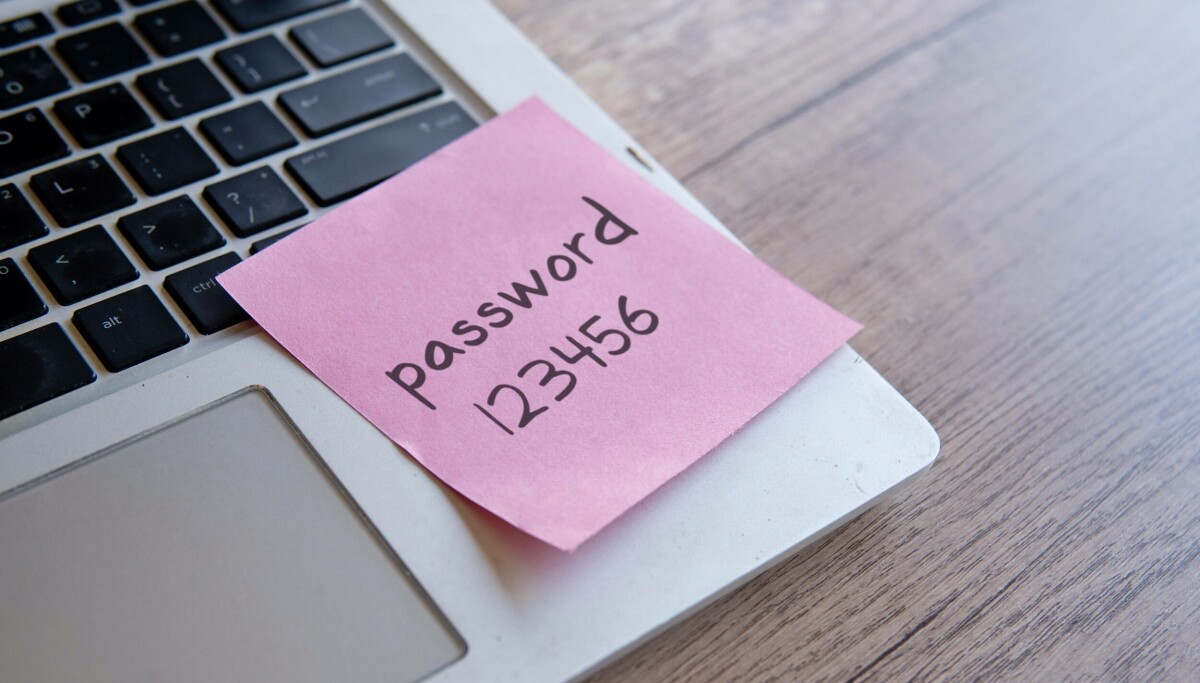
So Kaspersky found out that MD5 passwords are unsafe. That’s literally 20 year old news. Actually, Kaspersky found out that brute-forcing MD5 on consumer-grade hardware has become slightly faster than two years ago, which makes me wonder if Captain Obvious’s secret identity is that of a Kaspersky cybersecurity expert.
El Reg concludes from this that we should ditch passwords, which they back up with the opinion of a second expert. This expert immediately tells them they’re wrong, that passwords are perfectly fine if used with MFA, and that a lack of public knowledge about basic cybersecurity is the real issue. They somehow treat this as him agreeing with them.
Actual technological alternatives to traditional password use (such as passkeys or password managers with per-site passwords) are mentioned only as an aside or not at all. It never occurred to El Reg or Kaspersky to mention that MD5 has been considered obsolete since the days of Internet Explorer 7 and that more secure hashes like bcrypt have been around since the late 90s. For that matter, the Kaspersky source talks about rainbow tables without using the word “salt” even once.
Finally they conclude with a call to action to “improve that user security stack”, arguing that passwords are inherently unsafe due to their “complex requirements and hashed storage”. That’s so deep into la-la land that I’m not even sure what it is they’re trying to say or who they’re even talking to.
That’s an amazingly badly written article.
What impresses me the most is that the Kaspersky article they’re talking about is just as asinine as El Reg’s confused stammering. The most sense I can make out of it is that they’re making a bad faith argument (“we can brute-force MD5’d passwords with a 5090 so you should use MFA”) because they’re trying to get nontechnical people to do the right thing and hope they can scare them into compliance if they bullshit hard enough.
Edit: I just noticed how often Kaspersky’s article refers to the own password manager they sell. So their bad faith argument is really just in service of an ad that happens to contain some decent security advice.
Hashcat. Talking about md5 as security is…
I think the specific hash algorithm used doesn’t matter much, except that MD5 is quite fast to calculate. A modern hash algorithm would buy some time by being more expensive computationally, but wouldn’t change much otherwise. From how I understand the article, they effectively did a sophisticated dictionary attack on the passwords in the database, not brute force attacks on individual hashes. Probably starting with all the known common passwords and then continuing with some generator based on common password patterns. Otherwise I couldn’t explain how they cracked 48% of the passwords in under 60 seconds and needed the remainder of an hour for just another 12%.
Regardless, that’s no excuse for still using MD5 hashes today. The problem is that a sizeable chunk of IT professionals have no fucking clue what they’re doing. They might have heard that storing passwords as plain text is a bad idea, so they use the first hash algorithm they come across which happens to be MD5, unsalted of course. Unittests pass, everyone’s happy, software gets shipped, black hats are happy.
The difference in speed between MD5 and something like bcrypt or Argon2 is massive. We’re talking orders of magnitude. That adds a layer of security – if hashing takes e.g. 1000 times longer than with md5, the 20 minutes to crack the least secure passwords suddenly turns into 14 days. Still not astronomical but a lot slower. The more secure algorithms also require more memory to run, leading to less effective parallelization.
Besides, MD5 is prone to collisions, which reduce the number of attacks needed. The attacker doesn’t need the real password, just one that hashes to the correct value.
While they did do a more sophisticated dictionary attack, they also talk about rainbow tables, which only work if the hashes are unsalted. A more modern approach with salted passwords is immune to rainbow table attacks. An actually modern approach with salted and peppered Argon2 hashes makes the kind of offline attack Kaspersky did unfeasible in the first place.
For some reason Kaspersky never bothered to point this out. I’d expect a reputable cybersecurity company like them to at least include one line that urges developers to make use of a modern approach and gives pointers as to what that might be. But I suppose “we recommend passwords to be salted, peppered, and hashed with Argon2i or Argon2id with a sufficiently high work factor” wouldn’t fit their narrative.
(I also just noticed that the advice part of Kaspersky’s article is littered with references to the password manager they sell. Yep, it’s an underhanded ad that just happens to contain some good security advice.)
Eh, sorry, but you cannot crack hashes. At best you can come up with a strong that generates the same hash, but finding the exact original value won’t happen, that’s not how hashes work, that is not how anything works.
Each hash output value in principle can have an infinity of different inouts that lead to that output. Because of that, hashes are a one way street
Having said that, are you telling me that a properly salted hash using a modern algorithm like argon2id, or just even plain sha256, can be “cracked” in 14 days? I’m going to go ahead and say “no”
If you can generate an input which satisfies an md5 comparison which results in being able to authenticate with a system, then I think debating if that is a “crack” or not is purely semantic.
Although you are for sure technically right, I think any actually observed md5 collisions are with very large inputs, many orders of magnitudes longer than a password. The smallest input (first found, almost certainly) is almost certainly what the original password was.
In my comment, '“cracking” referred to finding a password that matches the hash. That’s common nomenclature. The found password doesn’t have to be the original password but it’s rather likely at the string lengths involved, especially since Kaspersky used a dictionary to back the attack.
Also, you wouldn’t use a hashing function where a large number of inputs of a usual password length turn into the same hash. That would just make all passwords weaker. The point of hashing a password is to store something that (ideally) uniquely matches the correct password but can’t be used to easily derive the password.
The factor of 1000 I gave was a very rough ballpark number. I couldn’t find any good comparison between the actual throughput of MD5 and bcrypt or Argon2. And yes, a single round of SHA256 would be cracked quickly; it’s much less work-intensive than Argon2 and even has dedicated hardware acceleration in modern CPUs. Argon2 with a high work factor is vastly more resistant than MD5 and SHA256.
Also, salting doesn’t protect against brute force and enhanced dictionary attacks. The salt is stored with the password so the attacker knows it. It only protects against rainbow tables. Pepper protects against offline cracking.