Even if we can get the quoted 90% utilization (carbon reutilization is notoriously tricky to implement at scale), coal is still pretty bad for reasons other than emissions.
That ammonia has to come from somewhere. Somewhere being the Haber-Bosch process, which uses natural gas. Though you could argue this ammonia would be used anyway, just on different fertilizer, which is true, but the point is that this isn’t just a coal-for-fertilizer deal.
This could be beneficial where coal is, for now, the financially viable choice (steel and concrete), or places stuck with it for political reasons (specially with the US attacks on Iran and the oil crisis making coal the only choice in some places). Though I think it’s good to be a little skeptical about carbon recapture cause so far it has disappointed.
Mostly I don’t want coming to the conclusion that coal is clean now.
There are two types of carbon capture. One is at the source, as is happening here, which is actually effective. The other is trying to scrub carbon from the atmosphere where the math does not work. If carbon capture starts producing useful outputs then there is a direct economic incentive to start doing it at the source. Incidentally, there are other similar processes that are also very promising https://www.foodtimes.eu/food-system/co2-upcycling-feed-protein-china/


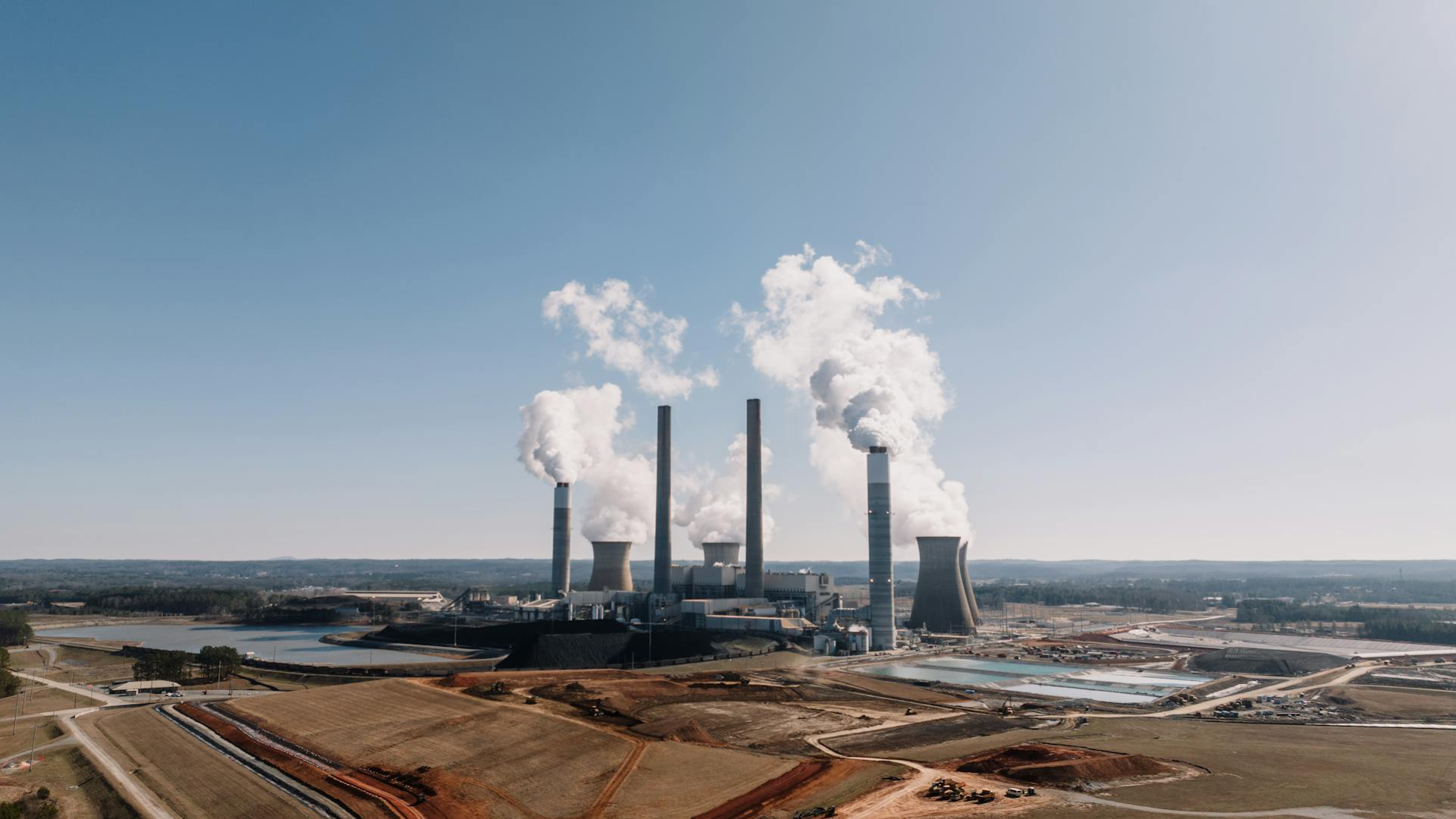
This is neat, but comes with a couple of caveats:
Even if we can get the quoted 90% utilization (carbon reutilization is notoriously tricky to implement at scale), coal is still pretty bad for reasons other than emissions.
That ammonia has to come from somewhere. Somewhere being the Haber-Bosch process, which uses natural gas. Though you could argue this ammonia would be used anyway, just on different fertilizer, which is true, but the point is that this isn’t just a coal-for-fertilizer deal.
This could be beneficial where coal is, for now, the financially viable choice (steel and concrete), or places stuck with it for political reasons (specially with the US attacks on Iran and the oil crisis making coal the only choice in some places). Though I think it’s good to be a little skeptical about carbon recapture cause so far it has disappointed.
Mostly I don’t want coming to the conclusion that coal is clean now.
There are two types of carbon capture. One is at the source, as is happening here, which is actually effective. The other is trying to scrub carbon from the atmosphere where the math does not work. If carbon capture starts producing useful outputs then there is a direct economic incentive to start doing it at the source. Incidentally, there are other similar processes that are also very promising https://www.foodtimes.eu/food-system/co2-upcycling-feed-protein-china/