I personally think these types of non-conventional batteries are going to be the future of storing energy for use at offset peak usage times.
It would be great if every city could construct multi thousand megawatts of grid scale battery capacity but that probably isn’t feasible with traditional chemistry batteries. But, in some areas the same effect could be accomplished with something like “potential energy batteries”, for example, using massive solar arrays to pump water into an elevated reservoir during the day at peak solar generation, then releasing that water to drive turbines and generate on-demand electricity at other times.
we don’t even have to build anything new, aside from installing heat pumps which we should be doing anyways for a multitude of reasons such as “i like not dying of heatstroke”.
It’s feasible with the newer sodium ion batteries. They’re already being installed for grid use. Similar to lithium batteries, but they’re less volatile and can be charged much faster.
They’re better suited for grid use than consumer use due to having less energy density than lithium.


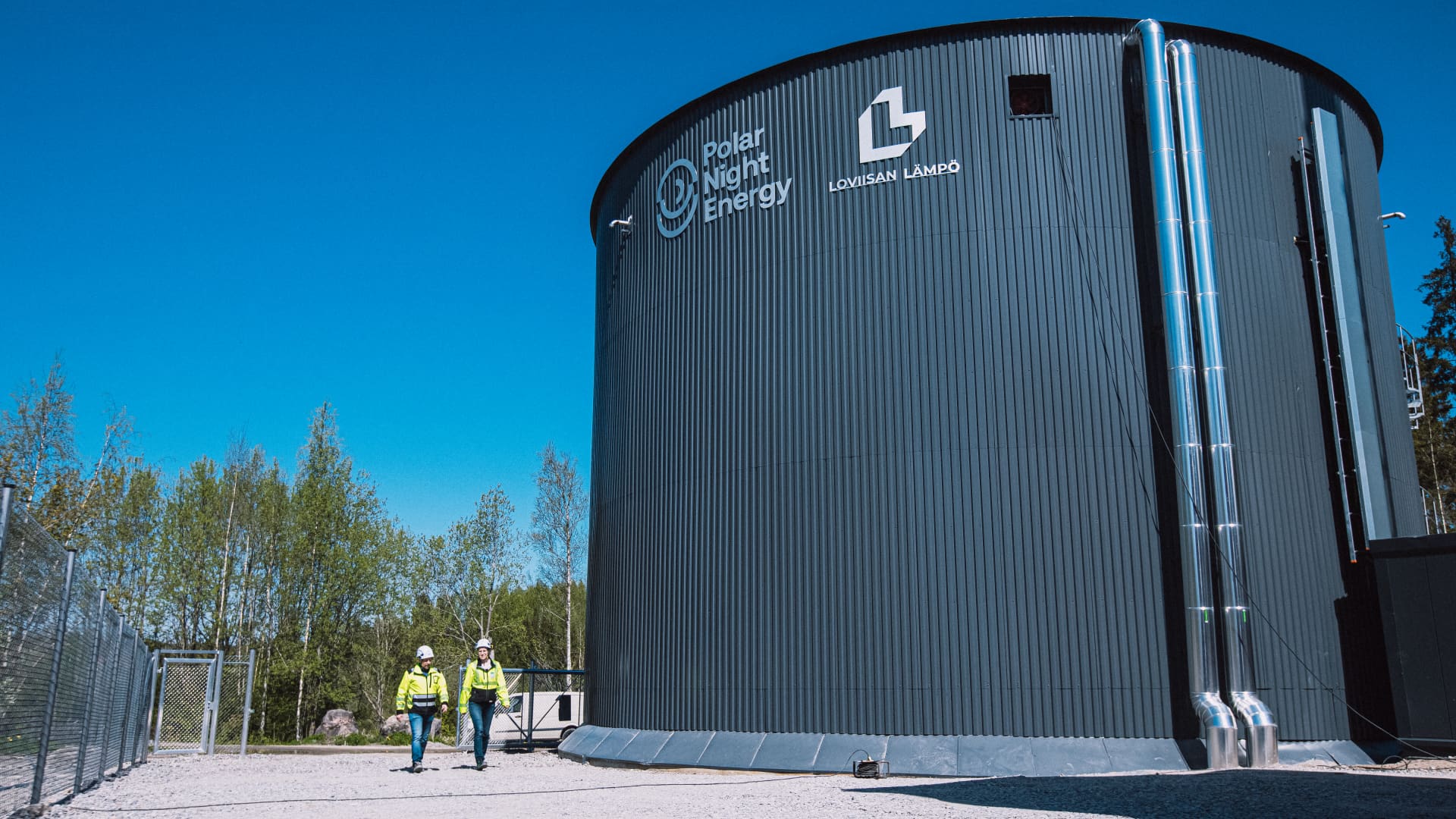
I personally think these types of non-conventional batteries are going to be the future of storing energy for use at offset peak usage times.
It would be great if every city could construct multi thousand megawatts of grid scale battery capacity but that probably isn’t feasible with traditional chemistry batteries. But, in some areas the same effect could be accomplished with something like “potential energy batteries”, for example, using massive solar arrays to pump water into an elevated reservoir during the day at peak solar generation, then releasing that water to drive turbines and generate on-demand electricity at other times.
we don’t even have to build anything new, aside from installing heat pumps which we should be doing anyways for a multitude of reasons such as “i like not dying of heatstroke”.
Just overcooling/heating your home when electricity is cheap can effectively store a very significant amount of kWh.
It’s feasible with the newer sodium ion batteries. They’re already being installed for grid use. Similar to lithium batteries, but they’re less volatile and can be charged much faster.
They’re better suited for grid use than consumer use due to having less energy density than lithium.