

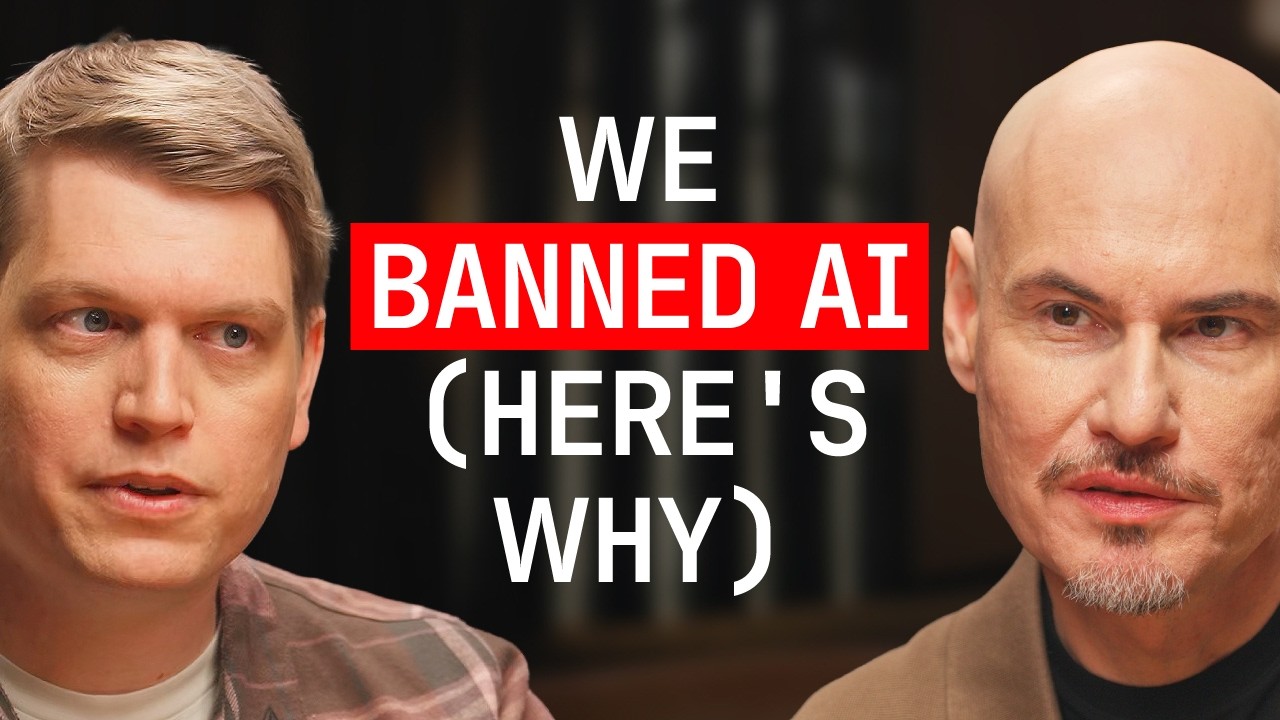
Andrew Kelley quit his job in 2018 to build a programming language. Eight years later, Zig powers Ghostty, TigerBeetle and Uber’s cross-compilation. It’s top 5 most admired on Stack Overflow. There’s just one thing missing: 1.0. Andrew Kelley explains why.
Vitaly talked to Andrew about:
- Why Zig has no 1.0 after a decade, and why that’s deliberate
- Why Zig left GitHub
- Why Zig banned AI from Zig
- What makes Zig better than C (and why every other C replacement failed)
- Andrew’s take on Open Source
It’s a long interview, but I found it very interesting and worth it.
The answer to Bun’s memory bugs was to follow a style guide. Not allocating dynamically stems from the style guide used by a mission-critical financial transactions database. Bun didn’t have to use that style guide, and honestly it would have been overkill. They could have easily adopted a different one, modified one to suit their needs, or made their own.
In general, I agree that Rust does a far better job at preventing these kinds of bugs than a style guide does, but Bun didn’t even try one and decided instead to ask Claude to rewrite it in Rust.
To be honest I don’t see how a “style guide” is going to help. C++ has had all sorts of guidelines and style guides for decades and it helps a bit but… not really.
What does the Zig compiler’s own style guide say about avoiding memory errors? As far as I can see nothing?
Is this style guide not a style guide?
It does help though without requiring a complete rewrite in another language, which is prone to causing entirely new issues and reintroducing old, fixed ones.
Like I said, Rust does a much better job at avoiding these. “Claude rewrite this in Rust” doesn’t give you those benefits for free.
It’s a start, but doesn’t say much about methods to avoid the memory issues that they supposedly had issues with. If they intended to actually use it, maybe it’d have more than 7 commits from 8 months ago. Maybe they would have updated it with patterns to prevent new bugs in the future based on the bugs they ran into. That didn’t happen, though.