
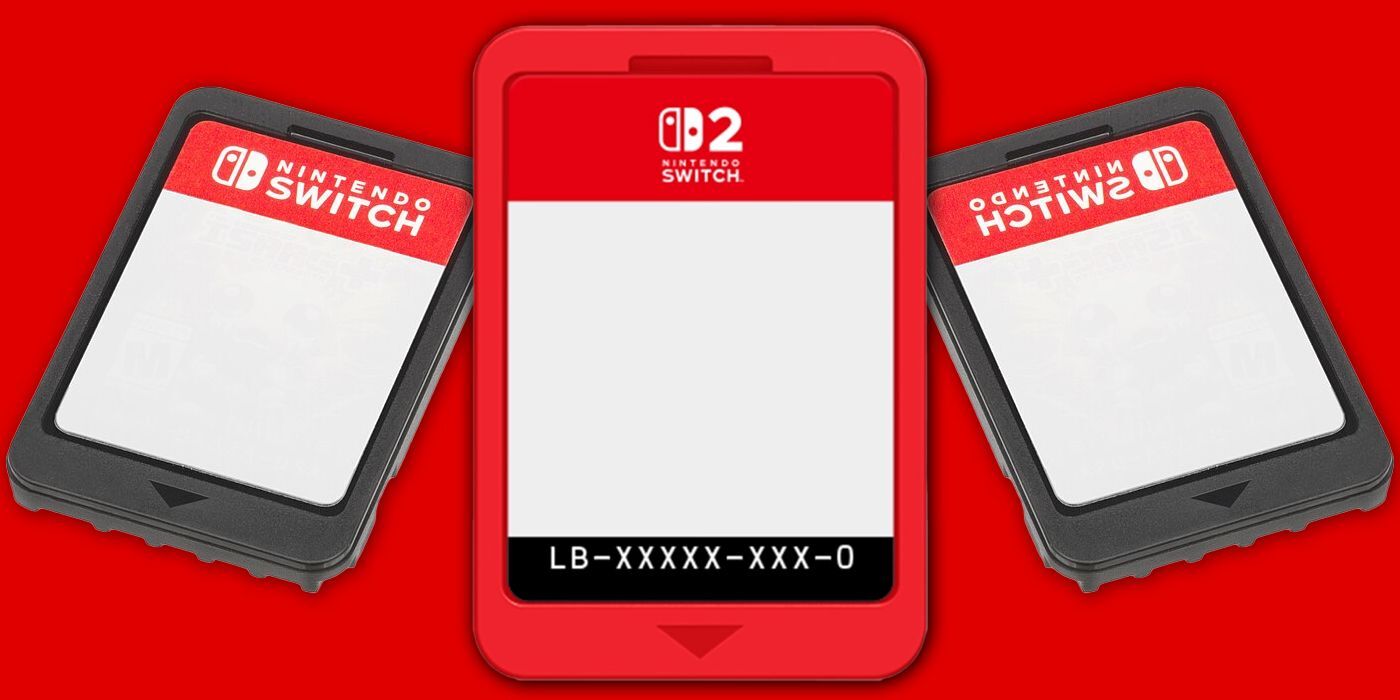
As PlayStation and Xbox move toward a more digital future, Nintendo could become the last major platform where physical games still truly matter.
As PlayStation and Xbox move toward a more digital future, Nintendo could become the last major platform where physical games still truly matter.
So, different people have different requirements.
From the preservation point of view, you are correct, but there are also some people who buy physical because of the ability to resell. I know many people like that, they can only afford new games by reselling the old ones.
You’re right.
Reason why I oversimplified the problem is because the solution is almost the same. If they didn’t care about DRM, it is exactly the same. A consumer friendly DRM would be one where a unique IDs follow a copy, and a physical copy you bought at the store (used or not) is the same kind of thing as what you would back up. Then, whatever standardised mechanism to validate this “key/license” on consoles, is allow-on-fail. If license service is down because the publisher doesn’t see a incentive, it should be a free for all. (Though arguably, this is better handled on the console level, but that’s mostly a technical difference)
End result is: you can always back up your games. You can sell your games (which upon them installing, invalidates the previous install, but that’s fair). The edge cases here where you remain offline, or how to deal with multiple copies in multiple places using the same key, so that resellers can resell the same copy multiple times, etc, are relatively easy problems to solve, especially when you give consumers the benefit of the doubt.
Piracy is mostly motivated by inconvenience. When it’s motivated by lack of money… they’re not exactly losing out on a paying demographic.
They can very easily deny you that unless either the buyer or seller keep their console offline.
Let’s simply fight for the actual right of resale even on completely digital purchases.