
"So I was trying to write reviews of a bunch of hit indie games I played recently. Then I got overwhelmed by the pointlessness of video game reviews these days and had to take a long nap.
And, I mean, pro reviews are pointless, right? If a game has a big enough budget or following and isn’t actively on fire, it gets a 9. If it is a competently made but low-budget indie, like mine, it gets a 7. If you read the actual review (nobody does), it’s a collection of facts about the game you could easily get from watching the trailer. Throw in a couple of comments from the reviewer about whether they like this genre or not, mix in 3 or 4 ham-handed political comments, and you got a review! Hit send!"
That, and let’s plays and streamers ate the bottom out of the review market. People would much rather watch some gameplay by a neutral party (a person just playing the game, not writing a review) and judge for themselves whether they want to play it or not.
The other issue with reviews (solved by LPs/streamers as well) is the problem of taste. Even if you had a perfect world where reviewer corruption didn’t exist, you’d still have to find reviewers whose tastes match your own. If a game you were anticipating gets a poor review, you have to decide whether it actually deserved that review or if the reviewer just doesn’t like the style of the game, but you might like it.
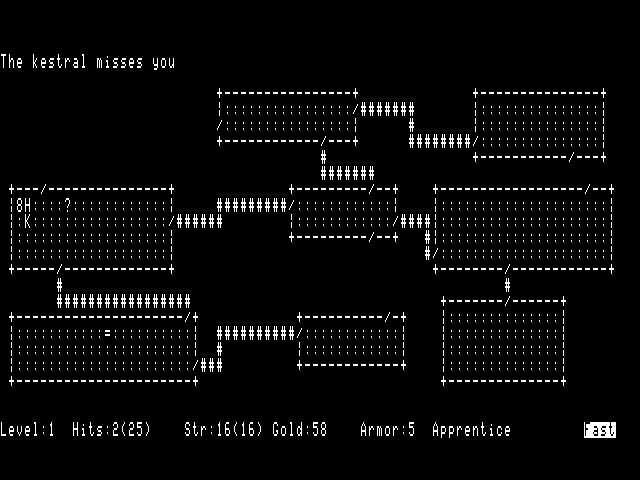
This last one might seem easy enough to overcome with genre-based expert reviewers but I don’t think it is. There have been a lot of times where someone told me “Oh you like Roguelikes? You should try ___” and I really didn’t like their suggestion. There are a million different dimensions to game design and many of them cross the boundaries of genres, blurring the lines. Thus it becomes extremely hard to find other people (never mind expert reviewers) with matching tastes and get trustworthy game recommendations from them.