The European Union has officially imposed a new rule for selling laptops with a power rating of 100 W or less, requiring them to use a USB-C port for charging. This rule takes effect today, April 28, Tuesday, as the European Commission has been exploring ways to reduce electronic waste and has been ...


Guess it’s 101W MacBook time
Macbooks have been type-C charging for a decade now. I think Apple was a big part in creating the standard.
Yeah. MagSafe is great too.
Oh yeah they brought that back by popular demand. Patent expires this year.
I’m glad the patent is expiring because this should have been the standard 18 years ago.
I’m hoping for a pre-made Framework expansion card.
That would be nice
I wonder what would happen if I slapped it into my desktop.
It would depend on how it’s implemented. Likely it would act like a USB-C port.
They’ll just pull a Coca-Cola and make it slightly different but worse, then after a few years they’ll bring it back with a new name and a new patent.
AFAIK it was the EU that forced Apple to adopt USB-C, at least on iPhones, dunno if that applies to their laptops too.
For phones and tablets. Apple has been using usb-c on their laptops for a while.
Also, want to mention that USB4 standard is compatible with Thunderbolt 4 and therefore makes 1 connector compatible with all the devices. AFAIK that was not forced by EU but a cooperation between Apple and USB designer groups. But I might be wrong on that one.
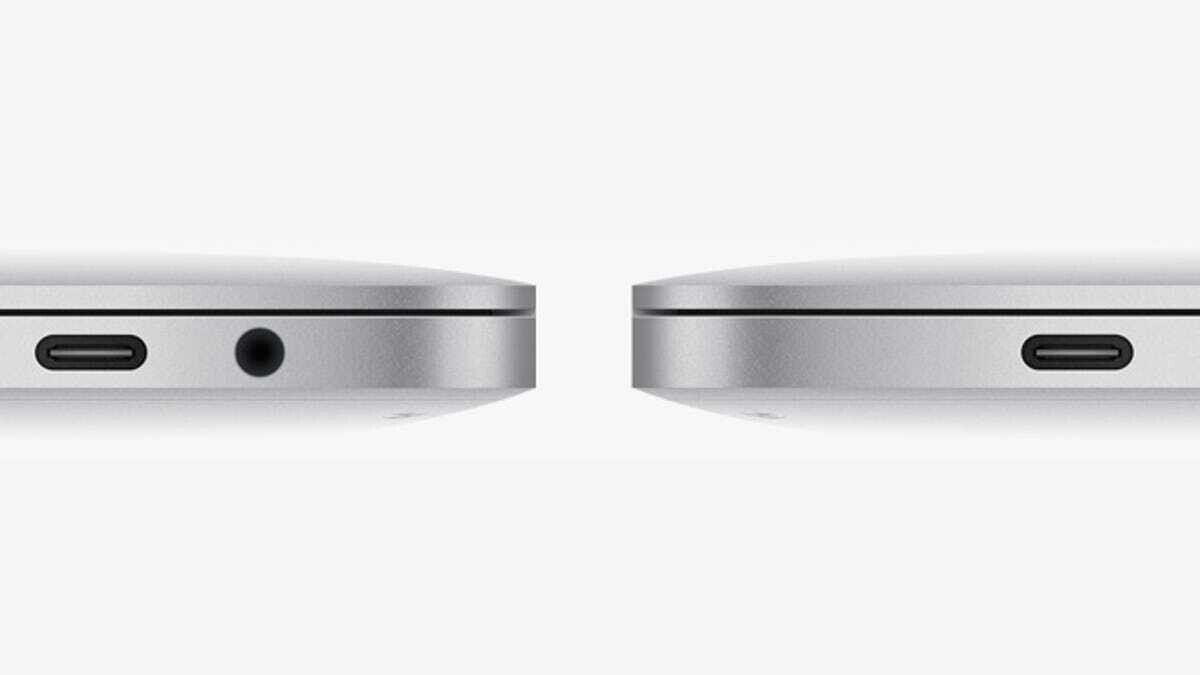
No, their laptops used to be only usb c until a few years ago when enough people started complaining the lack of ports. In fact the laptop in the article image is a mac.
Apple was going to drop Lightning anyway. They went hardcore on USB-C, even had laptops where the only connectors were USB-C. I’m happy for the legislation but it didn’t impact apples timeline too much.
It does now, as of today. But it doesn’t matter.
Yes. They have it coexisting with MagSafe which is not like them if they weren’t part of the standard.
Ahh my bad, never owned one
Exactly how I felt when I saw the “replaceable battery” requirement excludes basically every flagship smartphone in production (at least Apple, Samsung, and probably Pixel). But that may be worse, because that rule has a preexisting loophole
Well yes, and I think 1000 charge cycles aren’t very many at all to get down to 80% battery health. A heavy user could easily get to that within 3 years, charging every day. So within 3 years you have a battery that holds much less of a charge than a new one does and you can’t replace it, because that’s supposed to be good enough to be allowed to place irreplaceable ones. It’s all for the planned obsolescence that these companies create.