A smartphone is literally a handheld computer with more capability than this. Save for game controls, there is very little that a touchscreen doesn’t completely replace with full flexibility (besides, unless it’s the size of a Gameboy, the vertical controller layout sucks).
This isn’t a new concept either, as I’m pretty sure I’ve seen two phones and one whole laptop using this exact drop-in modularity gimmick. They all failed.
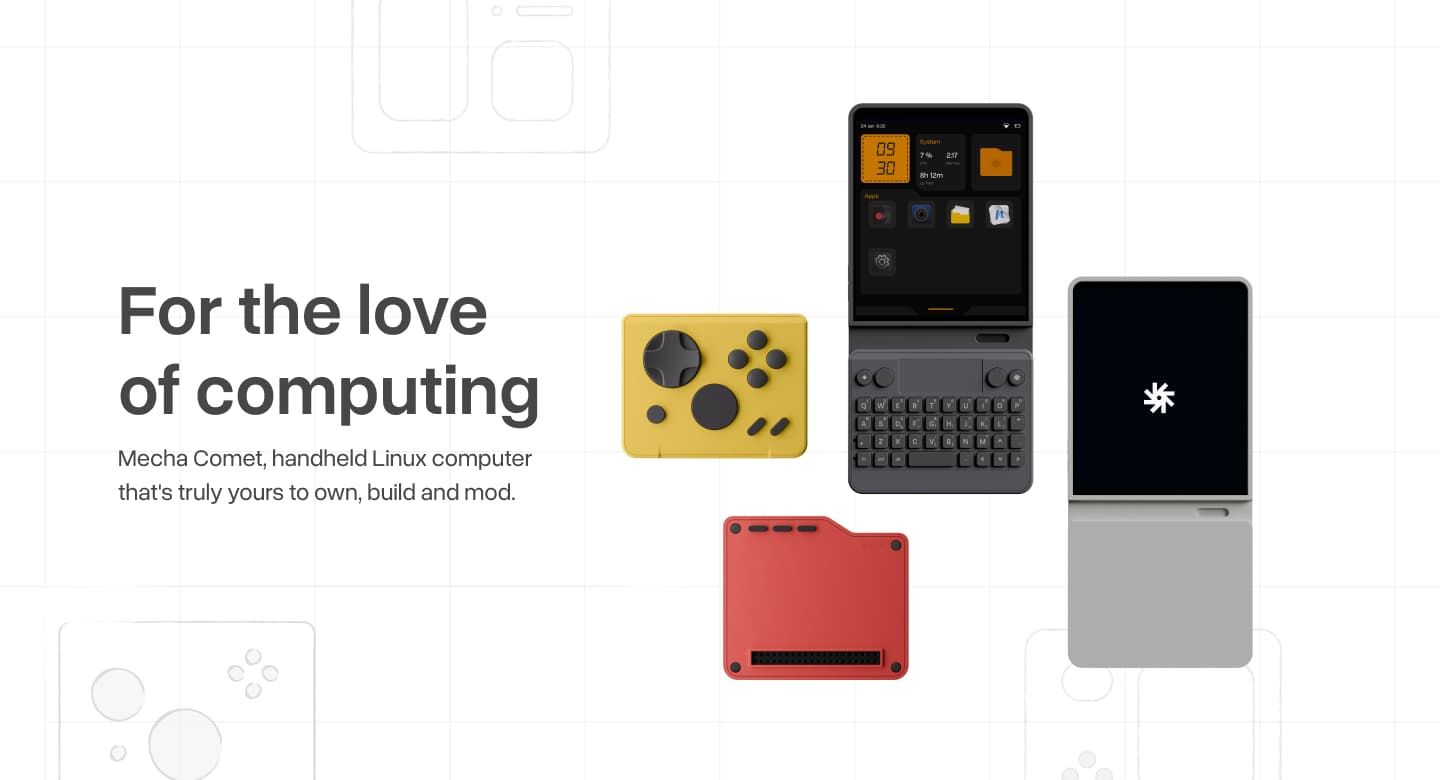
Having a dedicated handheld device with the features of a smartphone, running Linux natively (not just android), and also GPIO and LoRa are what make this especially appealing to me. Everything being open source brings this from “I’ll probably buy this” to “shut up and take my money” for me personally.
Sure, I could probably get accessories to achieve the same thing with my work phone. But if something catastrophic happens and the phone is damaged, I’m having a very bad day. Damaging a $300-400 device sucks, but I can still call my boss and ask him to order a replacement and receive calls from customers at the end of the day.
Of course these specific benefits are unique to me and my line of work. I also thankfully have a boss who trusts my judgment when purchasing new tools and tech, and a budget that can easily accommodate this kind of investment and risk.
Or, you could put the resources that went into this thing that’ll eventually become a forgotten novelty (e-waste), and develope a Linux smartphone that is fully open source.
To some people, like half the comments and myself included, think the idea is that it’s cool. The playdate doesn’t solve any problems, it adds a gimmick to an existing format and its cool.


I don’t see the point of this.
A smartphone is literally a handheld computer with more capability than this. Save for game controls, there is very little that a touchscreen doesn’t completely replace with full flexibility (besides, unless it’s the size of a Gameboy, the vertical controller layout sucks).
This isn’t a new concept either, as I’m pretty sure I’ve seen two phones and one whole laptop using this exact drop-in modularity gimmick. They all failed.
Having a dedicated handheld device with the features of a smartphone, running Linux natively (not just android), and also GPIO and LoRa are what make this especially appealing to me. Everything being open source brings this from “I’ll probably buy this” to “shut up and take my money” for me personally.
Sure, I could probably get accessories to achieve the same thing with my work phone. But if something catastrophic happens and the phone is damaged, I’m having a very bad day. Damaging a $300-400 device sucks, but I can still call my boss and ask him to order a replacement and receive calls from customers at the end of the day.
Of course these specific benefits are unique to me and my line of work. I also thankfully have a boss who trusts my judgment when purchasing new tools and tech, and a budget that can easily accommodate this kind of investment and risk.
It runs an actual OS and has a real keyboard. Gives me way more utility than any smartphone.
Or, you could put the resources that went into this thing that’ll eventually become a forgotten novelty (e-waste), and develope a Linux smartphone that is fully open source.
Not gonna disagree with you, but that not something I personally have the skill nor the infrastructure to achieve so I’ll take what I can get.
To some people, like half the comments and myself included, think the idea is that it’s cool. The playdate doesn’t solve any problems, it adds a gimmick to an existing format and its cool.