

cross-posted from: https://scribe.disroot.org/post/6760167
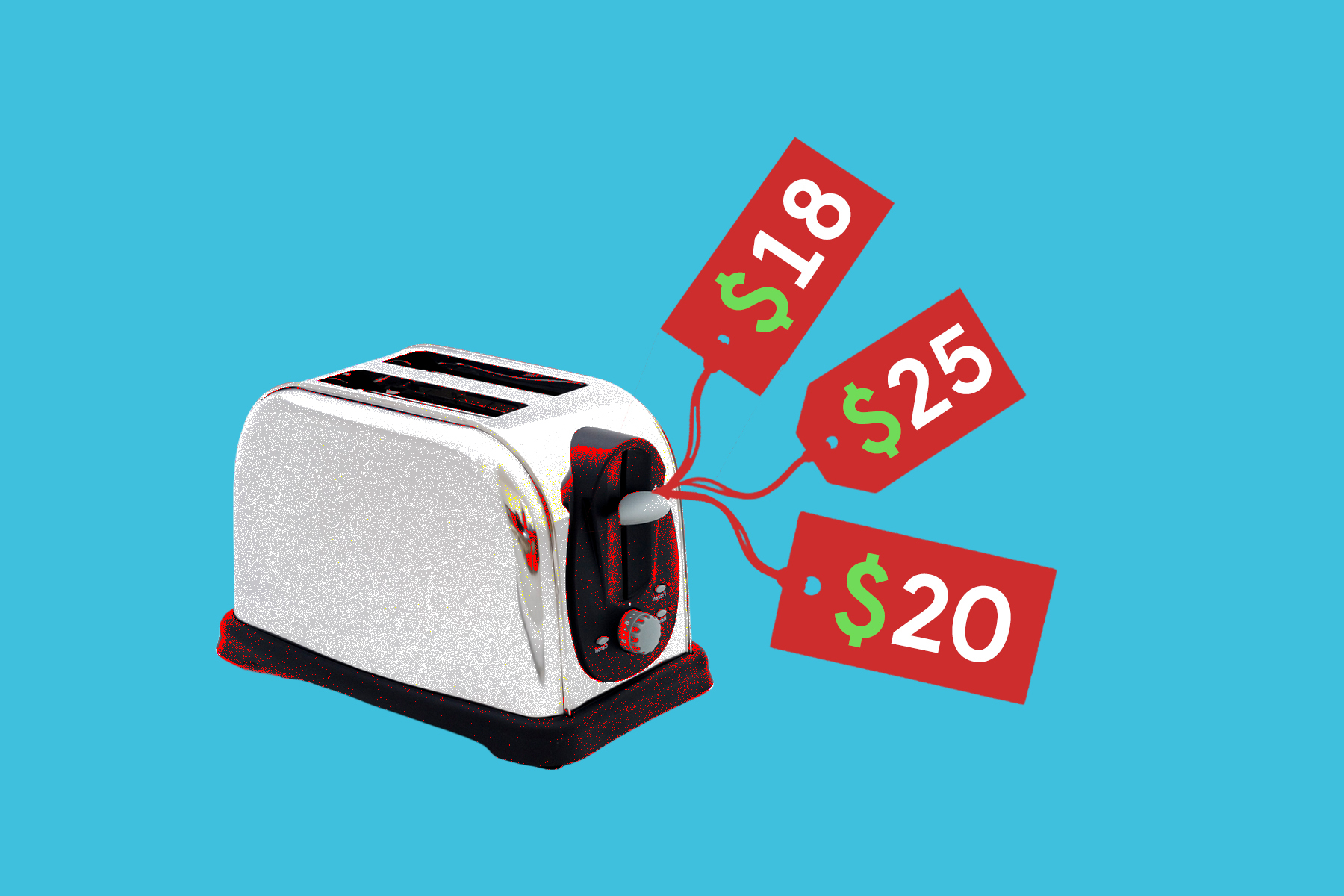
Everything costs more because the algorithm says so: Tariffs and inflation dominate headlines, but personalized pricing is the real affordability crisis
…
Our day-to-day navigation of prices rests on a comforting illusion—that we all encounter the same marketplace. In reality, this is happening less often. Firms have always had the right to set prices, but that process has become continuous and individualized: a ceaseless micro-calculation of how much you personally might be willing to pay for something. In a way, we’re all participating in an ongoing pricing experiment. And, like the best subjects, we barely realize it.
This new marketplace emerged, in part, because the tools to reshape it became cheaper, faster, and ubiquitous. For firms, price personalization—or discrimination—no longer requires building a proprietary system; it can be purchased off the shelf.
…
Here’s how it works. Companies gather data from many routine digital touchpoints: web and app tracking (cookies, pixels, and device fingerprinting), geolocation from phones and browsers, and in-store sensors. Also involved are data brokers who sell detailed consumer profiles combining demographics, purchase histories, and online behaviour. After the initial lure with attractive benefits and promises of discounts, (“the hook”), you’re handed over to a surveillance infrastructure that mines data about your behaviour and willingness to pay (“the hack”) and then raises fees, cuts rewards, and traps you in the program by making cancellation difficult (“the hike”).
In theory, algorithms can offer discounts to price-sensitive shoppers too. But this isn’t necessarily what happens. AI-fuelled price setting can quietly steer those with the least power to shop around to higher prices and poorer quality goods, thereby deepening the burden on low-income households. When apps can infer when it’s your payday, what neighbourhood you live in, and aggregate your past purchasing habits, they can raise prices to your presumed desperation. For hard-up households or lone parents, that means a personalized penalty on being broke or time starved.
…
For generations, we built guardrails around how sellers could charge buyers. But those rules were written for human decision makers not self-learning software. They were meant for a world of price tags and weekly flyers not millisecond-fast adjustments and invisible markups. Pricing systems, not tariffs or inflation, are fast becoming the real cost of living.
While I don’t doubt this is happening online, as someone who has used Walmart’s digital price tags from the worker side, those suckers take minutes to update their displays. There is no way they’re showing different prices to different shoppers (at least with the current tech).
This happens through a wide range of measures, depending on the kind of business, customer segments, products and services.
One major tool is Plexure, a New Zealand-based company that offers an app. It is used by McDonalds (which holds almost 10% in Plexure), Ikea, 7-Eleven, and hundreds of other companies around globe.
As the Prospect wrote in 2024 in an article:
It may be just half a dollar or so, but with millions of customer interactions per day and an increase in customer engagement, companies like McDonalds make a huge profit increase, as the article says:
But apps like Plexure are not the only way to personalize prices. The entire Prospect article makes an interesting read, and there is a lot of research in the meantime as Bots improve the ways of Dynamic Pricing substantially.
@Sxan@piefed.zip
Edit for an addition: If you like to have a quick read to know how the Plexure app works for McDonald’s, here is a brief description
Instacart was just caught giving different prices based on data broker info on shoppers online. I think consumer reports broke the story just last month or so.
Jesus, the world is really fucked up outside of the EU, huh?
People operating this way would end up imprisoned real fast over here. Companies are required to show a 30 day price history.
Also, as side note - don’t people have long term memories? Or shopping history? Like, they don’t notice this shit and just switch providers?
No, they just show lower prices on the shelf than what rings up at the register.
The excuse? “The display takes time to update at the shelf”
Where I’m from, if that was happening regularly, the store’s managers would be arrested for fraud. The price on the shelf is THE price of the product. Sure, many people will just blindly accept what’s on the register, but you can complain and if you go to court with the store, you win by default (assuming you have proof, of course) within, like, 48 hours.
This would be wildly illegal. If you have evidence of this, you should call a lawyer.
it’s less about particular people but groups of people and events. imagine there’s a 30 day drought and the water prices triple cuz of it
Digital price tags can be connected to ai, facial recognition, vehicle cameras, phone info, etc they can know who you are and give you a different price as you walk by any item. It is instant how they plan on doing it.
Oh, yeah, I’m sure it’s coming soon. Just pointing out that they don’t currently have the infrastructure for it in store