- cross-posted to:
- technology@lemmy.ml
- cross-posted to:
- technology@lemmy.ml
You must log in or register to comment.
While neat, I highly doubt you can get any amount of torque through this.
It’s possible to design fluid couplings for torque. That’s what a torque converter in an automatic transmission does.
It’s not quite as elegant, of course, but still.
What would be a practical use for this
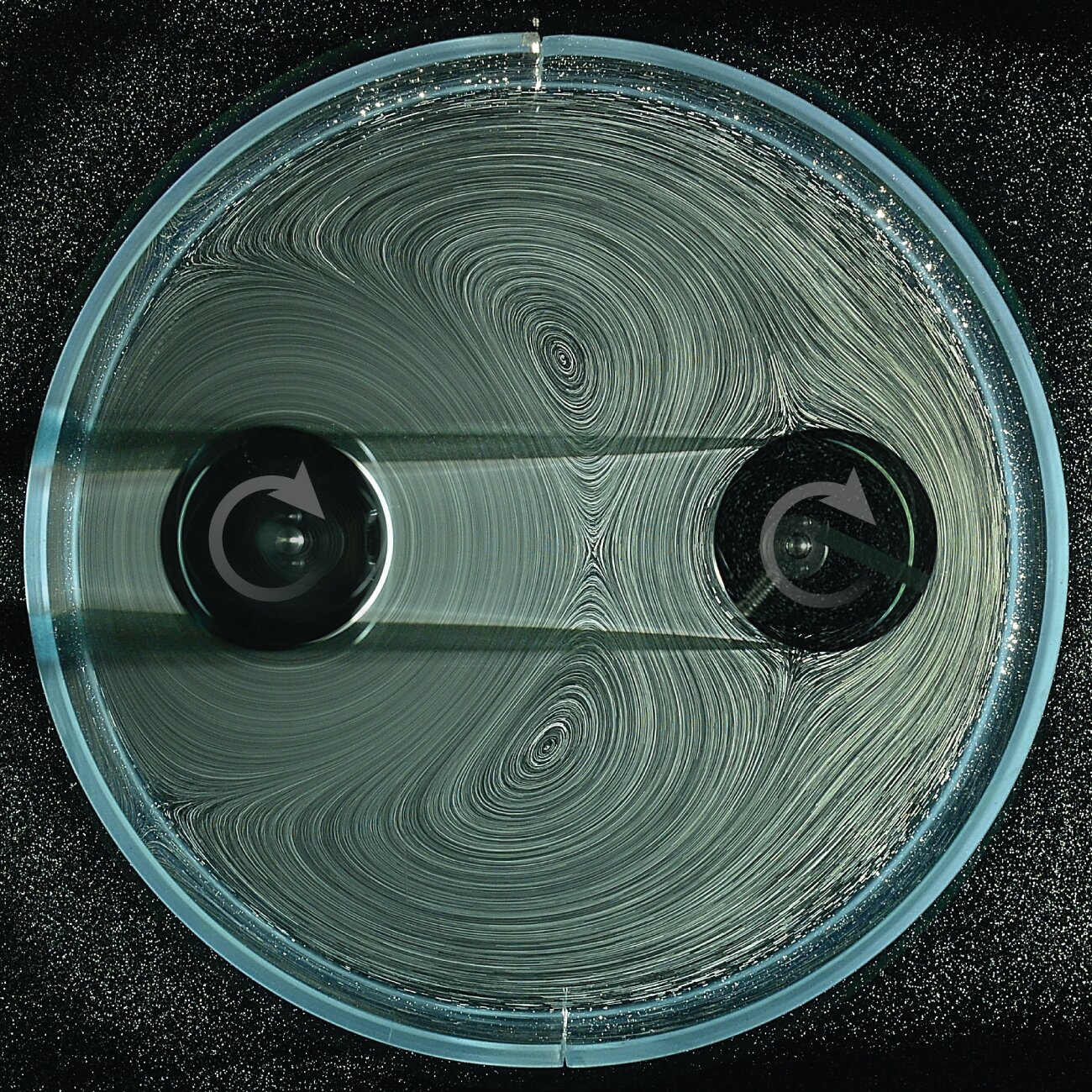
Not sure on the torque, but the video in the article does show rotation. The points are that it is an active cylinder and a passive one. Rotating one causes flow in a fluid and the other to rotate with no mechanical cylinder contact.
My thoughts consider a use case where under nocircumstance can the passive cylinder have shock of any kind due to backlash, with extreme sensitivity. Like crystal latice formation in some solution where other turbulence methods are too rough.
Does seem niche. Edit; maybe caustic or abrasive fluid and dimensional constraints to rotate the passive side, extreme durability requirements of the rotors. I.e.,if the rotors had no teeth could the system still operate during a space journey to flow a liquid battery just enough, and rotate the passive side, and last forever.