

- cross-posted to:
- linux@programming.dev
Hi everyone! I’m happy to share that my first first-author paper has been accepted to a conference recently about side-channel attacks on the Linux page cache.
Side-channel attacks on the page cache (first shown in 2019 by my PhD advisor et al.) were thought to have been mitigated since 2019 or thought to be impractical for a long time. Work that I (+my co-authors) did over the past year showed that such attacks were very possible, but also way more severe than initially thought.
It started out with me randomly encountering the cachestat syscall, introduced in kernel 6.5 (2022) to query the state of OS pages in the page cache. After a bit of investigation, we found that it leaks whether pages are in the page cache, including of globally-readable files not owned by that user.
I have a few examples of what attacks are possible on the linked blog post, but the tl;dr is you can detect whether binaries are run (like pkexec, which is the GUI that pops up for password prompts), infer which websites a different local-user visits on Firefox (via the libxul shared library), infer user and system behavior across docker containers, and a few more.
We also found a few more interesting stuff, like the posix_fadvise syscall with the POSIX_FADV_DONTNEED can deterministically remove pages from cache. The other fine grained details are available in the paper: https://snee.la/pdf/pubs/eviction-notice.pdf, but a general write up is in the blog post.
The cachestat vulnerability was assigned CVE-2025-21691 and was fixed by Linus Torvalds himself (first time interacting with him!)
Since I know Lemmy loves Linux (as much as I do, or even more), I thought I’d share it here :D. Feel free to ask any questions if you have any!
There’s also a Github repository of our code which has been peer-reviewed to be reproducible here: https://github.com/isec-tugraz/Eviction-Notice
That colourblind palette is golden, thank you for sharing it. And I was just talking about me wanting have a crack at creating that arrow myself, but thank you for offering to share. I’ll be sure to reach out if I find myself being unable to replicate it.
I wasn’t even talking about
tikzplotlib. It’s just that pgf backend is now supported by matplotlib and you can produce pgf files with:import matplotlib.pyplot as plt import matplotlib matplotlib.use('pgf') fig, ax = plt.subplots() # Code related to plotting here fig.savefig("outputfile.pgf")with relevant
rcParamsoptions inmatplotlibrc, then import thepgfwith:But Python -> CSV -> LaTeX/pgf pipeline is quite smooth, for sure. I understand why you’d decide to opt for it without involving too many third-party dependencies.
No worries, and good luck! My email can be found on my website if you want it :D
Ah… I’ve think I’ve heard of it, but I never really registered that. Thanks for the info :D
I’d be glad to stay in contact about this. Feel free to let me know of your website/preferred email whenever convenient.
My website’s the one linked in this post: https://snee.la/
My email is at the contact page: https://snee.la/contact/
sneela [at] tugraz [dot] at
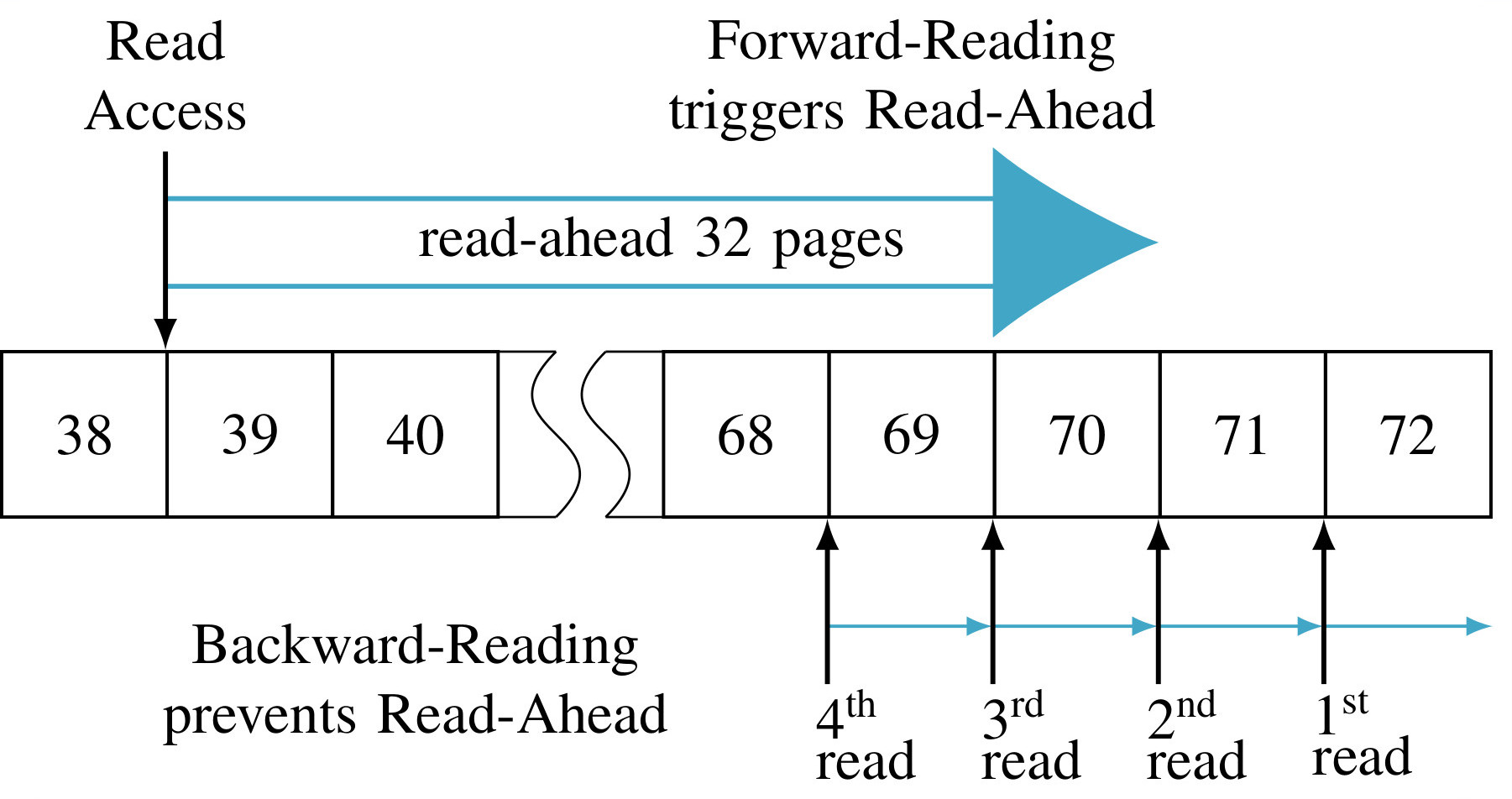
Admittedly I’m quite late with the response, but I’ve sent you a mail with my own code for Fig. 2. I’m curious to see if this is the approach you had taken while creating yours.