- cross-posted to:
- technology@midwest.social
- cross-posted to:
- technology@midwest.social
You must log in or register to comment.
Pretty tired of every article on Chinese AI being framed entirely in terms of geopolitical plots and nothing else. From what I can tell, Chinese companies releasing open weights was hatched in its private sector ecosystem, one major factor being that the leadership at Deepseek consists of actual open source zealots. Deepseek releasing their models under MIT license then forced the hands of other Chinese companies (including Moonshot AI, which initially wanted to be closed). It wasn’t some grand plot hatched in Beijing (even if the CCP belatedly gave their consent after the fact).
It’s an artifact of different selection pressures in China and different thinking about the problem. https://dialecticaldispatches.substack.com/p/from-agi-hype-to-open-source-reality
Oh no! Anyway…
A “10-month lead” less than a month ago at that
ai summary
Summary
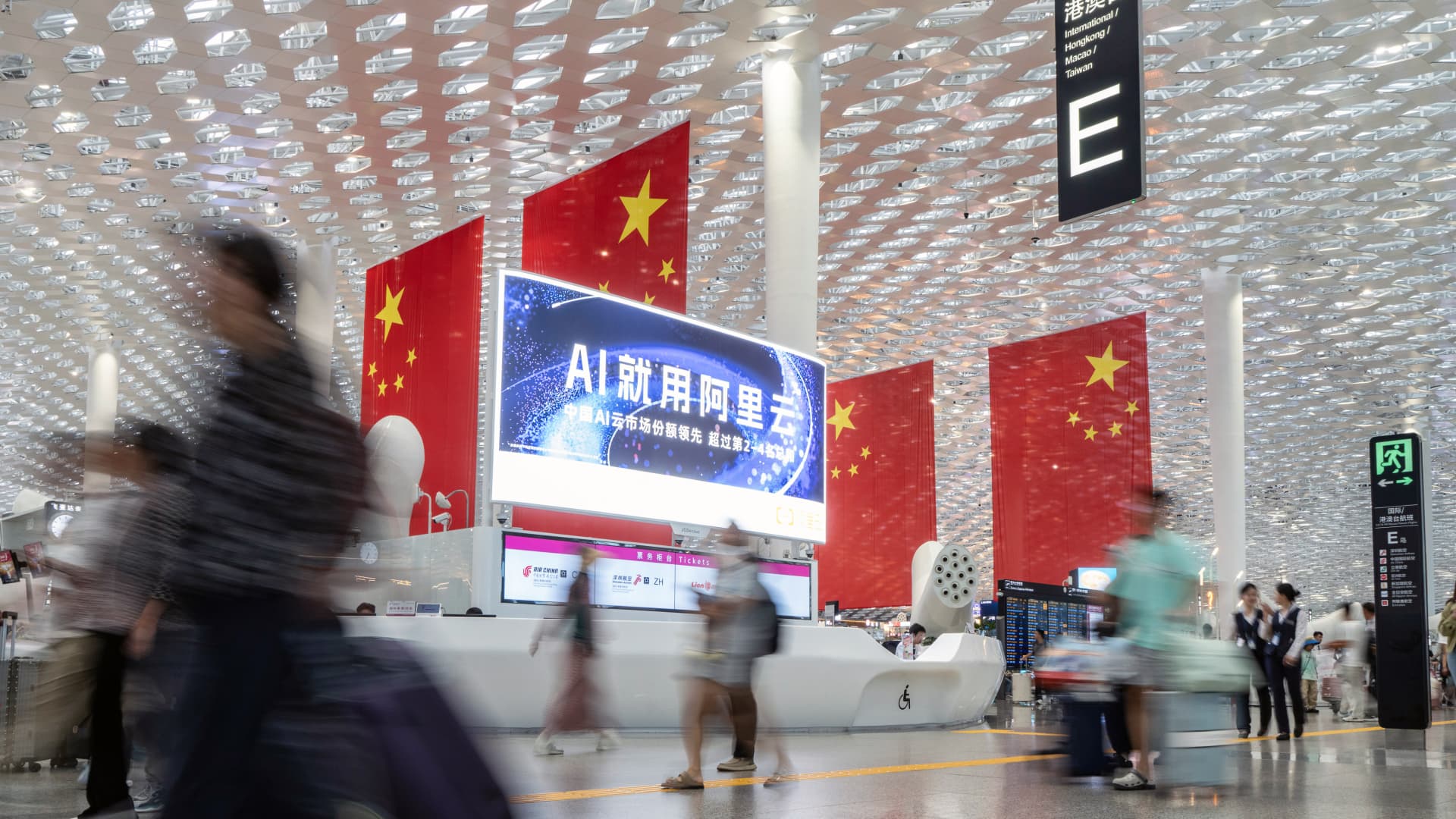
The United States’ former focus on “can we stay ahead of China in AI?” has been replaced by a new reality: China is no longer just catching up, it is building an entire AI ecosystem that competes with the U.S. across performance, cost, deployment, financing, standards, developer adoption and global reach.
Key points
-
China’s AI surge is ecosystem‑wide. Companies such as DeepSeek, Moonshot AI, Alibaba, Tencent, Zhipu AI and MiniMax are not isolated successes; together they show a coordinated, repeatable ability to produce world‑class models.
-
Washington’s response is lagging. U.S. policymakers continue to treat each Chinese breakthrough as a discrete event, while China pursues a long‑term, systematic “ecosystem statecraft” strategy that integrates industrial policy, finance, standards, education, diplomacy and commercial expansion.
-
Ecosystem statecraft vs. company‑by‑company competition. The U.S. still relies on frontier innovation and export controls, but China is reshaping the whole technology stack—making AI easier to deploy, customize and integrate, and encouraging worldwide developer adoption.
-
Strategic intent. President Xi’s calls for AI cooperation, open‑source development and involvement of developing nations signal Beijing’s aim to become the architect of a global AI ecosystem, protecting core capabilities at home while exporting its stack abroad.
-
Policy implications for the U.S.
- The U.S. must move from a company‑centric debate to a national strategy that builds a competing ecosystem—combining research, standards‑setting, talent pipelines, financing, trusted alliances and diplomatic credibility.
- America still holds major strengths: world‑class universities, a vibrant venture‑capital market, a dominant semiconductor industry and frontier research labs. Yet, historical precedent shows that lasting leadership depends more on who creates the adoptable ecosystem than who invents the first model.
-
Global adoption dynamics. Nations are now weighing security, cost, financing and long‑term reliability rather than merely choosing between U.S. and Chinese hardware. Trust, developer communities and standards have become decisive competitive advantages.
-
Conclusion. The decisive question for the United States is not whether its firms can keep building the most capable models, but whether it can marshal a coherent, resilient national strategy that yields an AI ecosystem that the world chooses to trust and build upon.
-
“That broader approach is what I would describe as ecosystem statecraft: a form of strategic competition that seeks to shape the competitive environment within which technologies are developed, financed, standardized, deployed, and ultimately promoted and adopted.”
He seems to have a problem recognizing normal statecraft that isn’t a selfish Capitalism/free market battlefield for the Epstein club.
A big middle-one to the US Epstein elite, all their propagandized free-market believers and the entire ‘Empire of Lies’… You are ending…