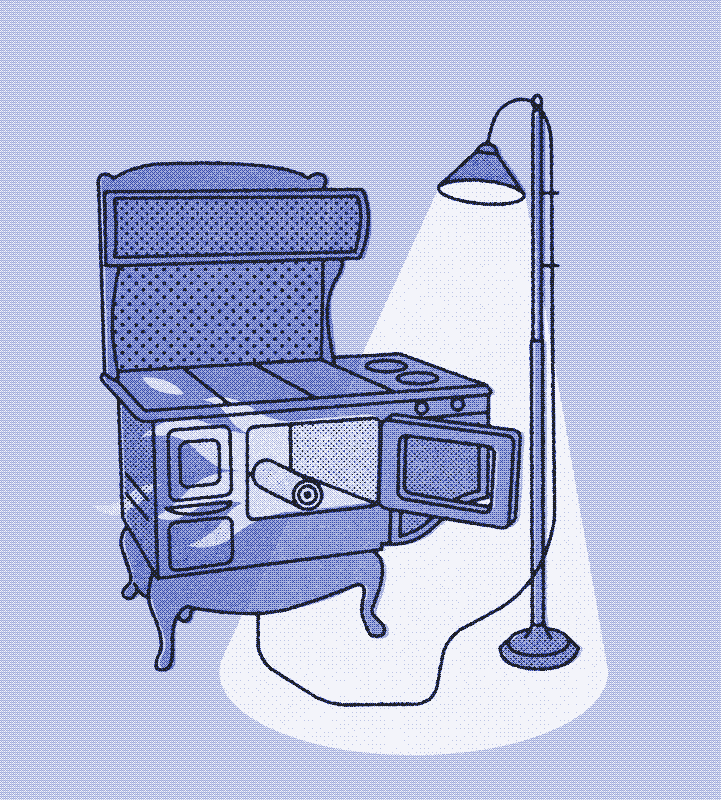
Wood stoves equipped with thermoelectric generators can produce electricity that is more sustainable, more reliable, and less costly than power from solar PV panels.
Found this on the lowtech magazine. What are your toughts?
An interesting article (big fan of Lowtech mag), but I have some gripes.
The title mentions it’s lower cost than solar panels, but no where in the article does it mention the cost of the experimental thermometric peltier generators discussed, which seems odd to leave out. Based on bulk orders from alibaba, it appears they cost somewhere between $4 to $11 per module for ones that can withstand woodstove temperatures (not including a heatsink, which will add some additional cost. The Water cooled ones that use a pump, tubing, and mounting hardware will add a lot of extra cost).
These devices are only really practical in areas that require a home to be heated for a good portion of the year. In warmer climates, they would only be truly viable to use for a handful of months out of the year, outside of short cooking sessions in the warmer months.
In higher density areas, wood/coal burning causes immense air pollution to the point of making the air dangerous to breathe (Poland’s smog issue from coal/wood burning home heating is a good example). It doesn’t seem like a great idea to add incentives to keep using those sources of heat instead of a heat pump (though for the people where these generators may be appealing, they likely cannot afford a heat pump without some form of government assistance).
I don’t think the idea is entirely meritless, it could probably be useful in low-density impoverished areas without access to an electric grid, especially in colder climates, but it’s not something that can scale up beyond those very specific situations without the negatives of burning dirty fossil fuels drastically outweighing the potential benefits.
I think something like Solar Microgrids would be a better long-term solution that can slowly scale up in impoverished areas without those negative side-effects (though I’d prefer to see collective ownership of a microgrid, as opposed to the way it’s presented in that video as a way for neighbors to control and sell electricity to each other).
Them being usable only part of the year might still be very valuable. The months when you would want to use a wood stove are also the months where the Sun doesn’t shine much and solar panels are likely to be covered in snow.
Solar panels can be used vertically in areas with heavy enough snowfall to warrant it, and would still produce far more power in the winter compared to the thermoelectric.
The thermoelectric would only really be useful at night if a small rechargeable battery can’t be acquired for the panel to charge during the day.


An interesting article (big fan of Lowtech mag), but I have some gripes.
I don’t think the idea is entirely meritless, it could probably be useful in low-density impoverished areas without access to an electric grid, especially in colder climates, but it’s not something that can scale up beyond those very specific situations without the negatives of burning dirty fossil fuels drastically outweighing the potential benefits.
I think something like Solar Microgrids would be a better long-term solution that can slowly scale up in impoverished areas without those negative side-effects (though I’d prefer to see collective ownership of a microgrid, as opposed to the way it’s presented in that video as a way for neighbors to control and sell electricity to each other).
Them being usable only part of the year might still be very valuable. The months when you would want to use a wood stove are also the months where the Sun doesn’t shine much and solar panels are likely to be covered in snow.
Solar panels can be used vertically in areas with heavy enough snowfall to warrant it, and would still produce far more power in the winter compared to the thermoelectric.
The thermoelectric would only really be useful at night if a small rechargeable battery can’t be acquired for the panel to charge during the day.